
How Your MBTI Type Affects the Way You Learn Biology & Physics

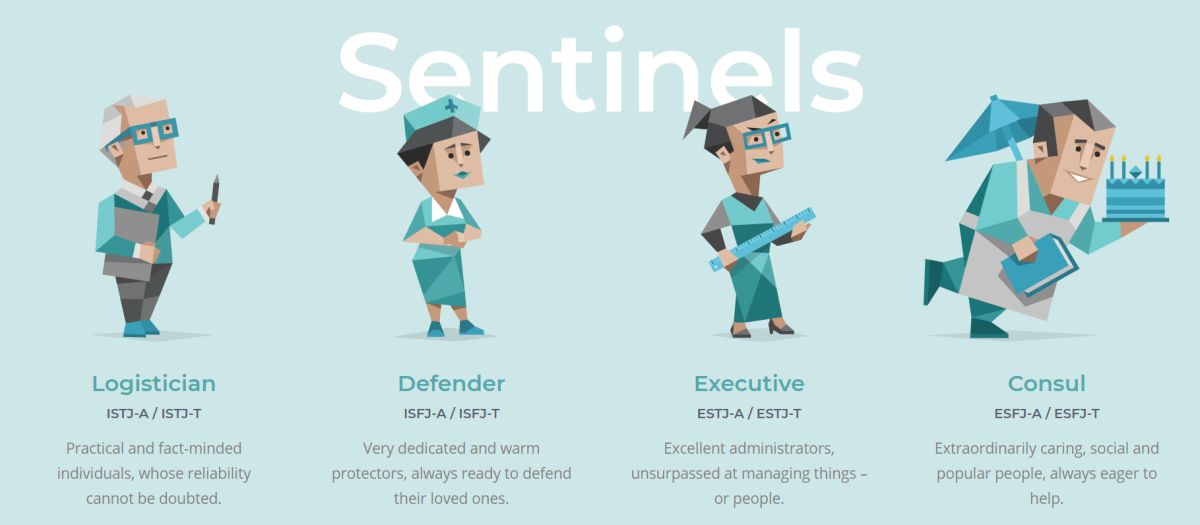
Characteristics: Practical, detail-oriented, and organised. Sentinels thrive on structure and clear guidelines.
Learning Biology: You're great at memorising facts and following step-by-step processes. Topics like the Krebs cycle or DNA replication suit your methodical approach.
Learning Physics: You appreciate physics problems that follow clear rules and formulas. Solving equation for motion or energy transfer feels satisfying because of their predictable outcomes.
Tips for Success:
1. Create detailed notes and organised study schedules to stay on track, Highlight key points and use colour coding for quick reviews.
2. Practice problem-solving with past exam papers to reinforce your understanding of core principles.
3. Focus on understanding one concept at a time to build a solid foundation!
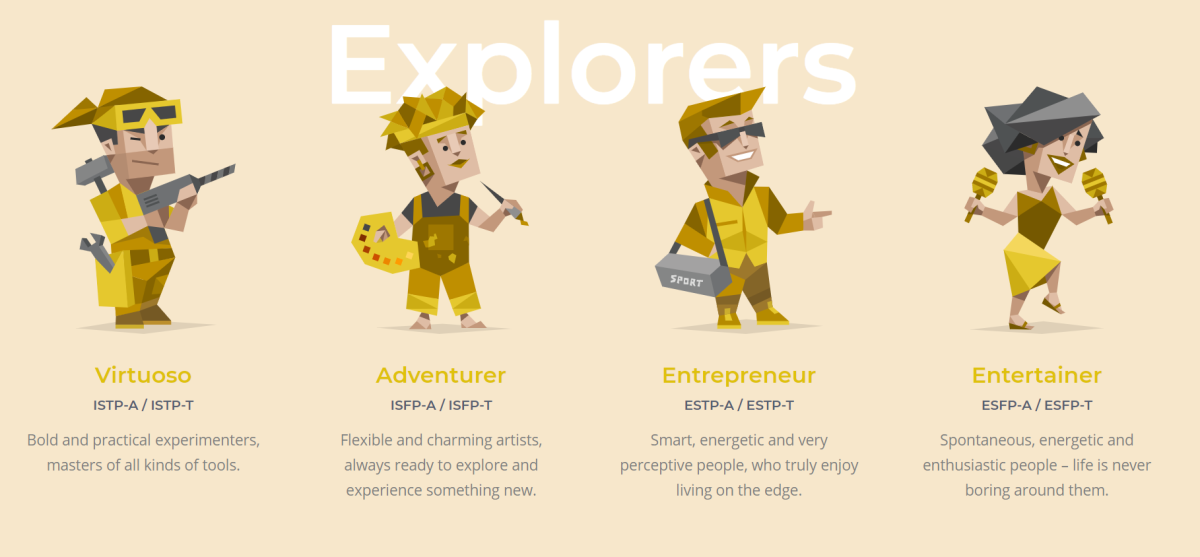
Characteristics: Hands-on, curious, and adaptable. Explorer learn best through experience and experimentation.
Learning Biology: You excel in practical applications, such as conducting experiments in a lab or exploring fieldwork. Studying animal behaviour or dissecting biological specimens might captivate your attention.
Learning Physics: You enjoy seeing physics in action! Topics like mechanics or circuits become more engaging when you can test theories through experiments or simulations.
Tips for Success:
1. Engage in hands-on activities like lab experiments or building simple models to reinforce theoretical concepts.
2. Watch video demonstration or participate in interactive online modules to visualise abstract ideas.
3. Apply what you learn to real-world problems, such as designing a simple machine or analysing the physics of sports.
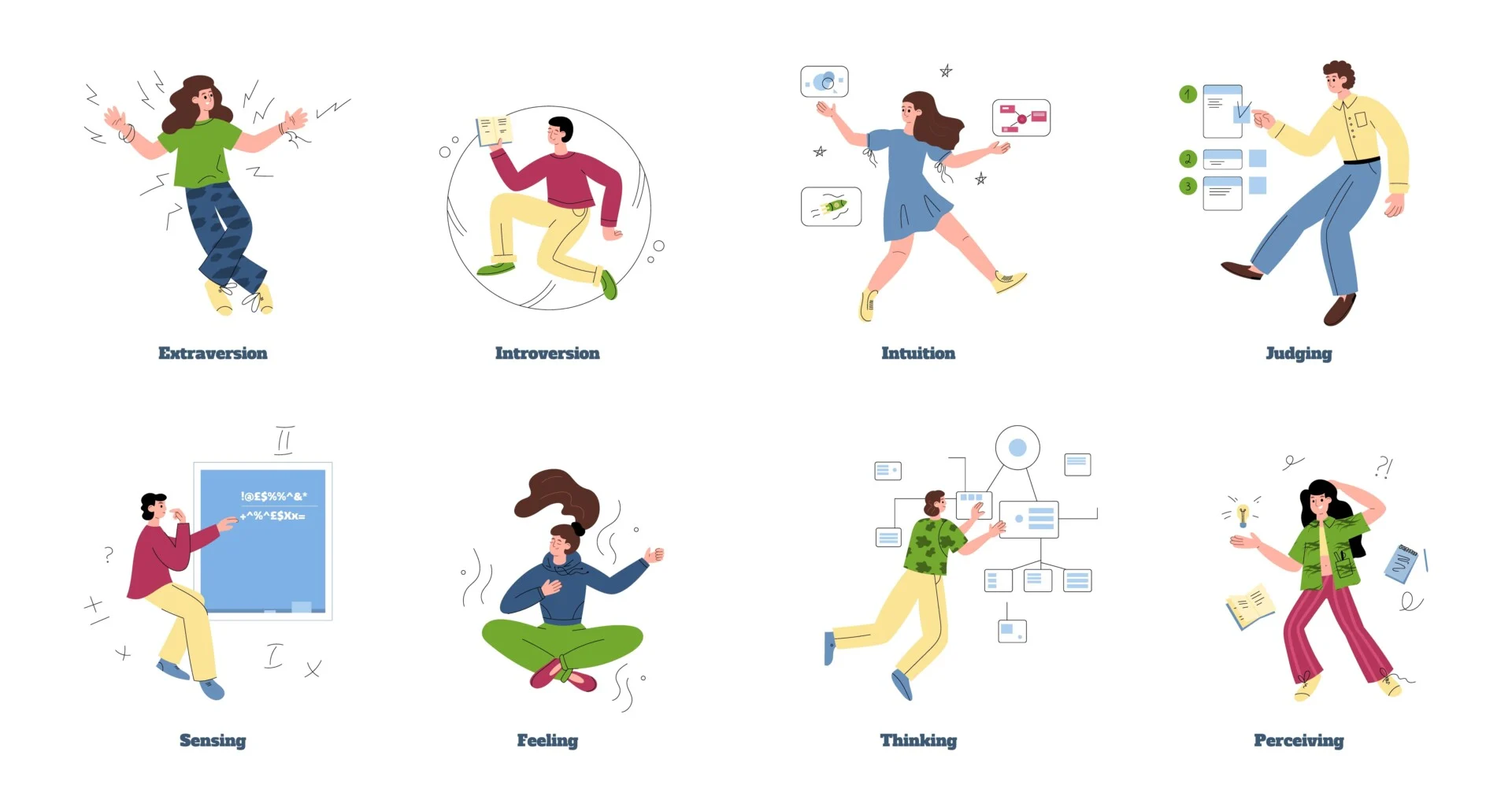
Understanding your MBTI type is the first step!
Here's how you can put this knowledge into action :
1. Customise your Study Routine: Tailor your approach to suit your strengths. For example, if you're an INTP, focus on exploring advanced topics that pique your curiosity.
2. Use the Right Tools: Choose study tools and techniques that resonate with your personality. Visual learners might benefit from videos, while hands-on learners thrive with practical activities.
3. Collaborate Strategically: Work with peers whose strengths complement yours. An ENFP might bright creativity to a study group, while an ISTJ ensures structures and discipline.
4. Seek Guidance: If you're struggling, a tutor who understand your learning style can make a big difference. They can help you build confidence and overcome challenges.